Industrial chamber furnaces are essential thermal processing systems widely used across metallurgy, ceramics, electronics, aerospace, and materials engineering industries. These furnaces are designed as enclosed heating chambers where materials are exposed to controlled high temperatures for processes such as annealing, hardening, sintering, stress relieving, and heat treatment. Because of their versatility and precision, they have become a cornerstone of modern manufacturing.
The demand for reliable furnace systems has significantly increased in recent years, which naturally raises the question:
who provides industrial chamber furnaces that meet strict industrial requirements for performance, safety, and energy efficiency? Understanding the structure, applications, and suppliers of these furnaces is essential for companies aiming to optimize production processes.
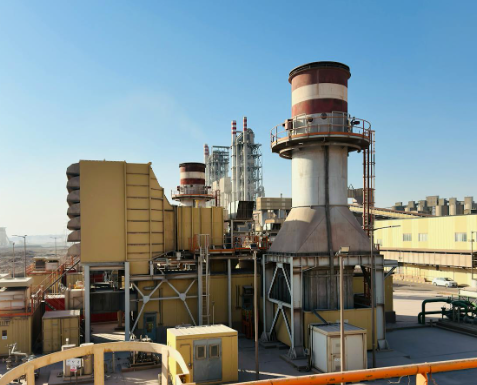
What are industrial chamber furnaces?
An industrial chamber furnace is a type of batch furnace where materials are placed inside a sealed chamber and heated uniformly to a specified temperature. Unlike continuous furnaces, chamber furnaces operate in cycles, making them suitable for small to medium production batches and precision applications.
Main characteristics
Industrial chamber furnaces typically include:
A thermally insulated heating chamber
Electric or gas heating elements
Temperature control systems
Safety and monitoring sensors
Programmable operation systems
These features allow precise control over temperature profiles, heating rates, and cooling cycles, which is crucial for achieving consistent material properties.
Applications of industrial chamber furnaces
Industrial chamber furnaces are used in a wide variety of industries due to their flexibility and reliability.
Metallurgical applications
In metallurgy, chamber furnaces are used for annealing, hardening, tempering, and normalizing metals. These processes improve mechanical properties such as strength, hardness, and ductility.
Ceramics and glass industry
Ceramic components require controlled sintering processes, where powder materials are heated until they fuse into solid structures. Chamber furnaces ensure uniform heating, preventing cracks and deformation.
Aerospace and automotive industries
High-performance components in aerospace and automotive manufacturing often undergo heat treatment in chamber furnaces to ensure durability under extreme conditions.
Laboratory and research use
Research institutions use smaller chamber furnaces for material testing, prototyping, and experimental thermal treatments.
Types of industrial chamber furnaces
There are several variations of industrial chamber furnaces, each designed for specific applications and performance requirements.
Electric chamber furnaces
These are the most common type and are powered by electrical resistance heating elements. They are known for precise temperature control and clean operation.
Gas-fired chamber furnaces
Gas furnaces are often used in large-scale industrial operations where high heating capacity is required. They are cost-effective for continuous high-temperature operations.
Vacuum chamber furnaces
Vacuum furnaces operate in a controlled low-pressure environment, preventing oxidation and contamination during heat treatment. They are widely used in aerospace and medical industries.
Atmosphere-controlled furnaces
These furnaces allow the use of inert or reactive gases inside the chamber to create specific chemical environments for advanced material processing.
Key design features of chamber furnaces
Modern industrial chamber furnaces are engineered for efficiency, durability, and precision.
Thermal insulation systems
High-quality insulation materials reduce heat loss and improve energy efficiency. This also ensures stable temperature distribution inside the chamber.
Temperature control systems
Advanced digital controllers and programmable logic controllers (PLCs) allow operators to set complex temperature profiles with high accuracy.
Safety mechanisms
Safety features include over-temperature protection, emergency shutdown systems, and real-time monitoring sensors.
Energy efficiency improvements
Manufacturers are increasingly focusing on reducing energy consumption by improving insulation and optimizing heating element design.
How to choose the right industrial chamber furnace
Selecting the right furnace requires careful evaluation of several technical and operational factors.
Temperature requirements
Different materials require different processing temperatures. Choosing a furnace with the correct maximum temperature rating is essential.
Chamber size and capacity
The size of the furnace must match production needs, whether for small laboratory samples or large industrial batches.
Heating uniformity
Uniform heat distribution is critical for ensuring consistent product quality.
Automation level
Modern industries often prefer automated systems with programmable controls and remote monitoring capabilities.
Maintenance and service support
Reliable after-sales service ensures long-term performance and reduces downtime.
Who provides industrial chamber furnaces in the global market?
The global market for industrial furnaces is highly competitive, with numerous manufacturers offering advanced solutions tailored to different industries. When companies evaluate who provides industrial chamber furnaces, they typically look for suppliers with strong engineering capabilities, global service networks, and proven industrial experience.
Leading providers often come from industrialized regions such as Europe, North America, and Asia. European manufacturers are known for precision engineering and energy-efficient designs. German and Scandinavian companies, in particular, are recognized for high-quality thermal processing equipment used in aerospace and automotive sectors.
In North America, furnace providers often focus on heavy-duty industrial applications, including metallurgy and large-scale manufacturing. These companies emphasize durability, automation, and integration with modern production systems.
Asian manufacturers, especially from Japan and China, have rapidly expanded their presence in the global market. They offer competitive pricing combined with increasingly advanced technology, making them attractive for both small and large enterprises.
For businesses researching who provides industrial chamber furnaces, it is important to evaluate not only the product specifications but also the supplier’s ability to offer customization, spare parts availability, and technical support.
Technological trends in chamber furnace development
The industrial furnace industry is evolving rapidly due to technological innovation and environmental requirements.
Digitalization and Industry 4.0
Many modern furnaces now include IoT connectivity, allowing remote monitoring, predictive maintenance, and data analytics for process optimization.
Energy efficiency improvements
Manufacturers are developing furnaces that consume less energy while maintaining high performance. This includes better insulation materials and optimized heating element designs.
Environmental sustainability
Reducing emissions and improving energy efficiency has become a major priority. Electric furnaces are increasingly preferred over gas-fired systems in environmentally sensitive industries.
Automation and AI integration
Artificial intelligence is being introduced to optimize heating cycles, reduce human error, and improve process consistency.
Conclusion
Industrial chamber furnaces play a vital role in modern manufacturing, offering precise and controlled thermal processing for a wide range of materials and industries. From metallurgy and ceramics to aerospace and research applications, these systems ensure high-quality results and repeatable performance.
Understanding who provides industrial chamber furnaces is essential for companies seeking reliable equipment and long-term operational efficiency. With global suppliers competing on technology, energy efficiency, and service quality, businesses now have more options than ever before.
As innovation continues, industrial chamber furnaces will become even more efficient, intelligent, and environmentally friendly, reinforcing their importance in the future of advanced manufacturing.